June 2025

Travel

Uncovering the Scottish Highlands: A Guide for First-Time Explorers

The Scottish Highlands, in a word, are awe-inspiring. Picture vast glens, shimmering lochs, and hills adorned with heather stretching endlessly—the Highlands are a realm that captivates the spirit and remains etched in one’s memory. For those embarking on their first visit, this region encapsulates the essence of everything we’ve dreamt about Scotland—untamed, romantic, secluded, and steeped in legend.

From Glencoe’s soaring heights to the tranquil allure of Loch Ness, the Highlands beckon exploration at every twist and turn. Yet, this striking landscape is far more than just a picturesque setting for scenic drives. It’s a place abounding with stories, history, geniality, and wildlife. Whether your heart longs to trek wild paths, discover ancient castles, savour local whisky, or simply bask in the magnificent views, the Highlands stand ready to embrace you.

For anyone venturing north for the first time, this guide offers insight into what to anticipate, what not to overlook, and how to make the most of your time in one of Britain’s most iconic locales.

Locating the Highlands

The Highlands sweep across the northern expanse of Scotland, starting just beyond Stirling and extending up to the rugged northern shores and the Hebridean isles. This is an expansive and diverse region, where the Cairngorms and the Northwest Highlands present contrasting sceneries.

While there’s no definitive boundary, towns such as Fort William, Inverness, Ullapool, and Aviemore act as key gateways. Each town has its unique essence—Fort William caters to adventurers near Ben Nevis; Inverness is often referred to as the Highlands’ capital; Aviemore serves as an entryway to the Cairngorms; and Ullapool is ideal for coastal and island explorations.

Unmissable Attractions

Although every bend in the Highlands seems to unveil a fresh photographic vista, certain spots warrant particular attention—especially if it’s your inaugural visit.

Glencoe – A site of breathtaking beauty and poignant history, Glencoe is arguably Scotland’s most renowned glen. Towering cliffs and expansive valleys narrate tales both geological and human. It’s a place to hike, reflect, and immerse in nature’s raw grandeur.

Loch Ness – While it’s a tourist favourite, Loch Ness remains a must-see. Beyond the mythical monster, the loch itself exudes mystery and majesty, extending 23 miles through the Great Glen. Visit Urquhart Castle for its history and panoramic views, or embark on a boat tour to absorb the ambiance.

Eilean Donan Castle – Nestled on an island where three lochs converge, this scenic castle is one of Scotland’s most photographed landmarks. Its majestic presence makes it a focal point, with the interior proving as captivating as its exterior.

Cairngorms National Park – Encompassing a vast area of the eastern Highlands, the Cairngorms are perfect for walkers, nature enthusiasts, and anyone seeking serenity in expansive open landscapes. Visit Highland towns like Aviemore or Braemar and traverse trails, lochs, and wildlife preserves.

The North Coast 500 – For those driving, this circular route beginning and ending in Inverness traverses some of the Highlands’ most magnificent landscapes. Picture windswept cliffs, turquoise bays, and mountain passes—all with surprisingly sparse crowds.

Outdoor Adventures and Activities

The Highlands offer endless opportunities for engaging in the great outdoors. Whether you seek heart-pounding adventures or gentle strolls, there’s something for every pace.

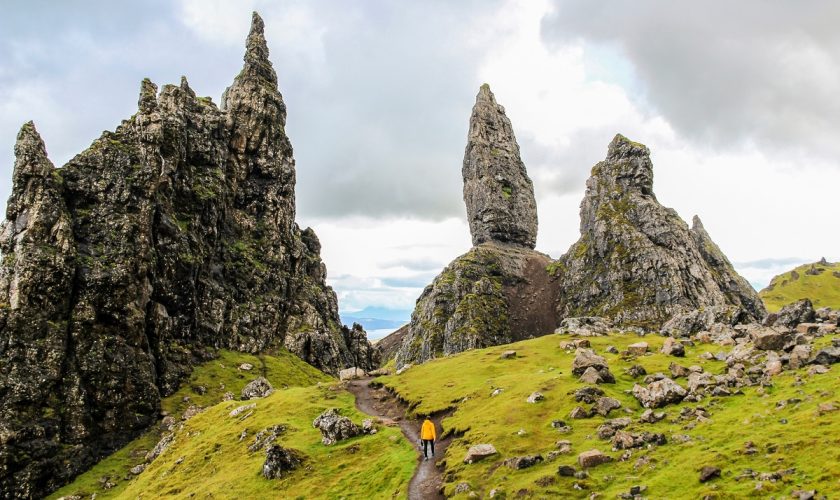
Hiking: Trails range from brief woodland walks to demanding mountain climbs. Noteworthy hikes include the Old Man of Storr on Skye, Ben Nevis, and An Lochan Uaine in the Cairngorms.

Wild Swimming and Paddleboarding: Tranquil lochs provide serene settings for aquatic adventures. Ensure you have the right gear—water temperatures remain cool even in midsummer.

Cycling and Mountain Biking: Trails for varying skill levels span the region. The area around Laggan and Glenlivet is particularly favoured for mountain biking.

Wildlife Watching: The Highlands are inhabited by red deer, golden eagles, pine martens, and even wildcats. Boat excursions from the west coast frequently reveal sightings of dolphins, seals, and puffins.

Skiing and Snowsports: During winter, the Cairngorms and Nevis Range offer skiing, snowboarding, and sledging, though conditions can differ yearly.

Culture, History and Local Flavour

The Highlands aren’t solely about stunning scenery—they are imbued with vibrant traditions, folklore, and a living culture.

Castles and Clan History

From romantic ruins to meticulously restored fortresses, castles are numerous. Uncover the tales of Highland clans, battles like Culloden, and the Jacobite uprisings that have shaped Scotland’s history.

Highland Games

If your visit falls between May and September, be on the lookout for local Highland Games. These community events combine sport, music, and pageantry in a uniquely Scottish celebration.

Language and Music

The Gaelic language remains spoken in some Highland regions, particularly in the Hebrides. Traditional music, often performed live in pubs or community halls, provides a backdrop of fiddles, pipes, and compelling storytelling.

Whisky Tasting

No Highland visit is complete without a dram. Distilleries like Glenmorangie, Dalwhinnie, and Tomatin offer tours that explore the craft and character of Highland whisky.

Transportation

While some areas can be explored by train or coach, the Highlands are best navigated by car. The freedom to pause at hidden viewpoints or meander down a scenic byway is part of the charm.

Note, however, that distances shouldn’t be underestimated—driving times may be longer than anticipated due to single-track roads and frequent halts to admire the vista (or let sheep pass).

If orchestrating your journey feels overwhelming, utilising a Scotland road trip planner can significantly enhance the experience. Itineraries can be adjusted to align with your pace and preferences, ensuring you don’t bypass hidden gems en route.

Optimal Visiting Times

The Highlands are stunning year-round, yet each season imparts a distinct character:

Spring (April–June): Wildflowers flourish, wildlife thrives, and days are extended.

Summer (July–August): The warmest and busiest period. Be prepared for midges in some locales—pack repellent!

Autumn (September–October): Striking hues and fewer visitors. A prime time for photographers.

Winter (November–March): Moody, snowy, and atmospheric. Perfect for skiing or tranquil retreats—though some roads and attractions may close.

Regardless of timing, prepare for all weather conditions. Layers and waterproofs are necessities throughout the year.

Accommodation

The Highlands provide a range of accommodations from cosy B&Bs and traditional inns to luxury lodges and wild camping spots. Book ahead, particularly in summer or around major events.

Top choices include:

Bothies: Free, basic shelters in remote areas for hikers

Farm stays and crofts: An opportunity to meet locals and enjoy rural hospitality

Heritage hotels: Consider converted castles, historic manors, and lochside retreats

Staying in accommodations with character enriches the experience—there’s nothing like awakening to mist rising over a glen or the sound of stags calling across a loch.

Packing Essentials

Even in summer, Highland weather can shift rapidly. Key items include:

  • Waterproof jacket and sturdy walking shoes
  • Warm layers—even in July
  • Insect repellent (for midges)
  • Reusable water bottle
  • Maps or GPS (signal may be sporadic)

And don’t forget your camera. Whether capturing castles, coastlines, or cattle on the road, the Highlands are a visual delight.

Make Your Trip Unforgettable with Great British Trips

In a region as vast and varied as the Scottish Highlands, having a flexible, meticulously crafted plan makes an enormous difference. Great British Trips specialises in creating customised itineraries that spotlight the Highlands’ highlights—combining iconic sights with off-the-beaten-path wonders.

Whether you dream of driving the North Coast 500, hiking in the Cairngorms, or tracing the paths of ancient clans, we’ll help you design a journey that fits your interests, pace, and travel style.

Utilising our Scotland road trip planner, you can curate a tailor-made route that encompasses castles, lochs, mountains, and hidden villages—with reliable accommodation, activity suggestions, and logistical support included.

So let’s set the stage for your Highland adventure—the kind that starts with a map and culminates in unforgettable memories.

read more
Flight & Tickets

Complete Guide to Booking Flights & Finding Affordable Tickets

Booking a flight today is easier than ever, yet travelers often struggle with fluctuating prices, hidden fees, and overwhelming choices. Understanding how airline tickets work—and how to navigate the booking process—can make your travel both budget-friendly and stress-free.

Understanding How Flight Tickets Work

Airline tickets are dynamic products. Prices change frequently due to demand, availability, and even time of day. Knowing the basics helps you make informed choices.

Key Factors That Influence Ticket Prices

  • Seasonality: High travel seasons such as holidays or summer vacations typically drive prices up.

  • Demand and Supply: When seats are limited or a route is highly popular, fares rise quickly.

  • Booking Time: Airlines often adjust fares based on how early or late you book.

  • Competition on a Route: More airlines flying the same route usually leads to better pricing.

  • Fuel Costs & Operational Expenses: These can indirectly affect the final ticket price.

How to Find Affordable Flight Tickets

Getting the best airfare doesn’t require luck—just smart strategies. By planning ahead and using the right tools, you can reduce travel costs significantly.

Start with Flexible Planning

Flexibility gives travelers a considerable advantage.

  • Flexible Dates: Shifting your departure by just a day or two can lead to noticeable savings.

  • Flexible Airports: Some cities have multiple airports with varying fare levels.

  • Flexible Destinations: If your trip is leisure-based, consider locations with lower seasonal demand.

Compare Prices Across Platforms

Airline websites provide official fares, but third-party search engines often reveal additional options.

  • Use fare comparison tools to evaluate multiple airlines at once.

  • Check budget carriers individually, as some do not appear on all search engines.

  • Review the final cost, including taxes and baggage fees, before booking.

Take Advantage of Fare Alerts

Many booking platforms offer notification systems.

  • Price alerts help you track fluctuations and buy when fares drop.

  • Flash-sale notifications can offer steep discounts for last-minute travel.

Book at the Right Time

While there is no universal rule, certain patterns are common.

  • Mid-week bookings often show lower prices.

  • Early planning (1–3 months for domestic; 3–6 months for international) typically yields better options.

  • Avoid last-minute bookings, unless you’re flexible or relying on promotional deals.

Use Rewards, Points & Loyalty Programs

Airlines reward loyal customers with exclusive benefits.

  • Earn frequent-flyer miles on flights.

  • Redeem points for discounted or free tickets.

  • Benefit from elite perks like upgrades or priority boarding.

Tips for a Smooth Flight Booking Experience

A seamless booking journey requires attention to detail.

Check Baggage Policies Carefully

Not all tickets include checked luggage.

  • Confirm carry-on allowances.

  • Assess checked-baggage fees—especially for low-cost carriers.

  • Review weight and size restrictions to avoid airport charges.

Verify Travel Documents

Before you book, ensure you have valid identification.

  • Passports should be valid for the required duration.

  • Some destinations require visas or travel authorizations.

  • Always confirm local entry requirements.

Understand the Ticket Type

Each ticket category has specific rules.

  • Economy Basic: Usually cheapest but least flexible.

  • Standard Economy: More freedom to change or select seats.

  • Premium & Business: Added comfort and service.

  • Refundable Tickets: Best for flexible schedules.

Review the Itinerary Carefully

Double-check details before confirming.

  • Departure and arrival airports

  • Layover times

  • Time zone differences

  • Connecting-flight requirements

FAQs

1. What is the best day of the week to book flights?
Mid-week, especially Tuesday or Wednesday, often yields competitive fares, though prices can vary by route and season.

2. How early should I book an international flight?
Generally, 3–6 months ahead provides the best balance between availability and price.

3. Do budget airlines offer reliable service?
Yes, many operate dependable routes, but they may charge extra for luggage, seat selection, or meals.

4. What’s the difference between direct and nonstop flights?
Nonstop flights have no stops; direct flights may stop but don’t require changing planes.

5. Can I change or cancel my ticket after booking?
That depends on your fare type. Basic fares are usually non-refundable, while flexible tickets allow changes.

6. Are tickets cheaper at the airport counter?
In most cases, online prices are lower. Some low-cost airlines may offer small savings at the counter, but not consistently.

7. Why do flight prices change so often?
Airlines use dynamic pricing systems that adjust fares according to demand, competition, and market conditions.

read more
Travel

A Culinary Journey Through the Flavours of Phu Quoc’s Finest Resorts

Phu Quoc, a stunning island located off the southern coast of Vietnam, is well-known for its peaceful beaches, verdant landscapes, and vibrant culture. Beyond its natural beauty, this destination is quickly becoming a hub for gastronomic exploration, offering visitors an array of delectable culinary experiences. When staying at a luxury resort Phu Quoc Vietnam, gourmet dining becomes a significant part of the overall experience.

Exploring Local Ingredients and Dishes

Phu Quoc has a rich culinary heritage rooted in its abundance of fresh local produce and seafood. The island is famous for its fish sauce, an essential ingredient in Vietnamese cuisine. Renowned for its depth of flavour, Phu Quoc’s fish sauce often features in the dishes served across the island. You’ll also find mouthwatering seafood, including crab, squid, and prawns, perfectly prepared to highlight their natural taste.

Local dishes often featured on menus include “Bún Kèn”, a noodle soup with a rich coconut and fish base, and “Gỏi Cá Trích”, a fresh herring salad packed with unique flavours. These culinary traditions take centre stage in the kitchens of the island’s finest resorts, where chefs use local, sustainably sourced ingredients to create refined interpretations of traditional recipes.

Refined Global Cuisine in a Vietnamese Paradise

While the tastes of Vietnam dominate, many resort restaurants also showcase international cuisines to cater to travellers from around the world. Whether it’s Italian classics, Japanese perfection, or French fine dining, the dining options are as diverse as the visitors who arrive to experience the island.

The dining ambiance only enhances the culinary offerings. Imagine enjoying a wood-fired pizza while overlooking the turquoise waters of the Gulf of Thailand, or indulging in fresh sushi beneath the starry sky. Each meal offers a sensory experience that pairs perfectly with the island’s idyllic setting.

Farm-to-Table Dining Experiences

Many luxury dining establishments on the island pride themselves on offering fresh, farm-to-table dishes. Resort chefs often collaborate with local farmers and fishers, ensuring every dish tells a story of the island’s natural bounty. From juicy, tropical fruits to organically grown herbs and spices, the ingredients are carefully selected to enhance both flavour and freshness.

This commitment to sustainability and quality not only elevates the dining experience but also supports Phu Quoc’s economy, preserving the traditions and livelihoods of its local communities.

Fusing Authenticity With Elegance

Dining in Phu Quoc’s luxury resorts is more than just a meal; it’s an experience that engages all the senses. The fusion of authentic Vietnamese gastronomy with elegant, creative plating demonstrates the exceptional craftsmanship of the chefs who lead these culinary havens.

Each bite offers a harmony of flavours, with the richness of traditional ingredients meeting innovative techniques. The result? An unforgettable gourmet adventure that will linger in your memory long after your visit.

Discover the Gastronomic Heart of Vietnam

Phu Quoc’s resorts have transformed dining from a necessity into an exciting exploration of Vietnamese culture and global culinary excellence. They provide visitors with the chance to immerse themselves in the essence of Vietnam through flavour, all while enjoying the serenity and beauty of an island escape.

Whether you’re indulging in expertly seasoned seafood by the ocean or exploring bold interpretations of Vietnamese favourites, every meal is a chapter in your culinary story. Phu Quoc invites you to savour, explore, and connect with its rich heritage in the most delicious way possible.

read more