January 2026

Travel

How Environment Shapes the Way People Relax While Travelling

Relaxation does not arrive automatically just because someone has changed location. New surroundings bring unfamiliar sounds, light levels, temperature shifts, and social cues that the nervous system must process constantly. Travellers who book time at a spa massage in Phuket often notice that how deeply they relax depends as much on environment as on the treatment itself.

Coastal destinations create layered sensory input. Salt air carries moisture and scent. Light reflects off water differently throughout the day. Wind shifts temperature quickly. These variables influence how the body regulates comfort and alertness. When environments feel predictable and balanced, relaxation emerges more easily. When sensory input remains chaotic or intense, the body stays partially guarded even during rest.

This explains why the same treatment can feel radically different in different settings.

Sensory Predictability Supports Nervous Calm

The nervous system responds positively to stable sensory patterns. Consistent temperature, gentle lighting, and controlled sound reduce vigilance and allow muscles to soften naturally.

In unpredictable environments, sudden noise, glare, or temperature swings maintain alertness. Even subtle background disruption prevents full downshifting.

Well-designed spaces quietly stabilise sensory input so the body can release tension without conscious effort.

Visual Space Influences Mental Pace

Open layouts, natural materials, and uncluttered design reduce cognitive load. When visual input feels calm, attention slows organically.

Crowded or visually dense environments keep the mind scanning continuously, preventing deep rest.

Natural light transitions also regulate circadian rhythm and mood stability during travel.

Sound and Rhythm Shape Emotional State

Sound influences emotional tone more directly than many people realise. Repetitive mechanical noise increases stress response, while natural or softened sound patterns promote steadiness.

Rhythm matters too. Predictable pacing supports breathing synchronisation and heart rate stability. Quiet does not require silence, it requires consistency.

Temperature and Air Quality Affect Comfort

Humidity, airflow, and temperature control influence muscle relaxation and circulation. Warmth softens tissue, while fresh airflow supports oxygenation and alert comfort.

Poor ventilation increases fatigue and irritability.

Comfort becomes physiological rather than psychological.

Memory Anchored in Sensory Safety

People often remember how safe and settled a space felt rather than specific design features. When the body experiences sensory reliability, trust forms quickly.

This trust deepens relaxation and enhances recall.

Relaxation succeeds when environment communicates stability rather than stimulation. When sensory input aligns with the body’s need for predictability, rest becomes effortless rather than forced, allowing travel recovery to feel genuine rather than superficial.

read more
Travel

What Makes a Landmark Memorable Beyond the Photograph

A woman stood at the edge of a viewpoint holding her phone in both hands, framing the same shot everyone else was taking. She stepped forward, adjusted the angle, captured the image, then immediately stepped back into the flow of people moving on. The moment lasted less than thirty seconds. It raised a quiet question about what it actually means to experience a place rather than record it, especially when visiting a tourist attraction in Thailand where thousands of similar moments repeat every day.

Photographs flatten experience. They preserve shape and colour but discard temperature, sound, scale, and emotional tone. Standing somewhere in person carries weight in the body, the warmth of stone underfoot, the wind shifting unexpectedly, the echo of voices bouncing through open space. These sensations build memory far more deeply than pixels ever can.

People rarely remember the precise framing of an image years later. What returns instead is how the air felt, how crowded or quiet the space seemed, whether there was time to linger or only to pass through. Memory anchors itself to atmosphere rather than appearance.

How Physical Sensation Anchors Memory

Even brief pauses alter perception. Sitting rather than standing changes perspective. Watching how others move through the space reveals patterns of behaviour, where people hesitate, where they rush, where they smile or grow impatient. These small observations turn static scenery into living context.

Crowd dynamics shape emotional response as much as architecture or landscape. A landmark encountered at dawn feels entirely different from the same place at midday. Silence invites reflection, while noise creates energy or irritation depending on temperament.

Physical engagement deepens recall. Walking uneven paths, climbing steps, adjusting posture against wind or heat forces the body into participation rather than passive observation. This involvement embeds memory through sensation rather than imagery alone.

Why Constant Documentation Dilutes Experience

The urge to capture moments often comes from fear of forgetting or from social pressure to demonstrate experience publicly. Ironically, constant recording fragments attention. When the mind focuses on framing rather than sensing, experience becomes mediated rather than direct.

Attention narrows. Awareness shifts outward rather than inward. The body remains present, but the mind becomes occupied with representation rather than participation.

This habit trains memory to rely on external storage rather than internal experience. Over time, people remember what they recorded rather than what they felt.

Letting Places Register on Their Own Terms

Presence invites slowness. Slowness reveals detail. Detail creates meaning. A shadow shifting across stone, a distant sound carried by air, a temperature change as clouds pass overhead, these fragments accumulate quietly without needing translation.

Landmarks gain emotional weight not through scale alone but through how they intersect with personal state. Fatigue alters patience. Companionship amplifies warmth. Solitude sharpens observation. The same place registers differently depending on who we are in that moment.

What endures is rarely the perfect image. It is the layered imprint formed when attention fully inhabits a space rather than converting it into content. Long after files disappear, the body remembers how it felt to be there.

read more
Travel

Why Beach Bars Become Social Anchors While Travelling

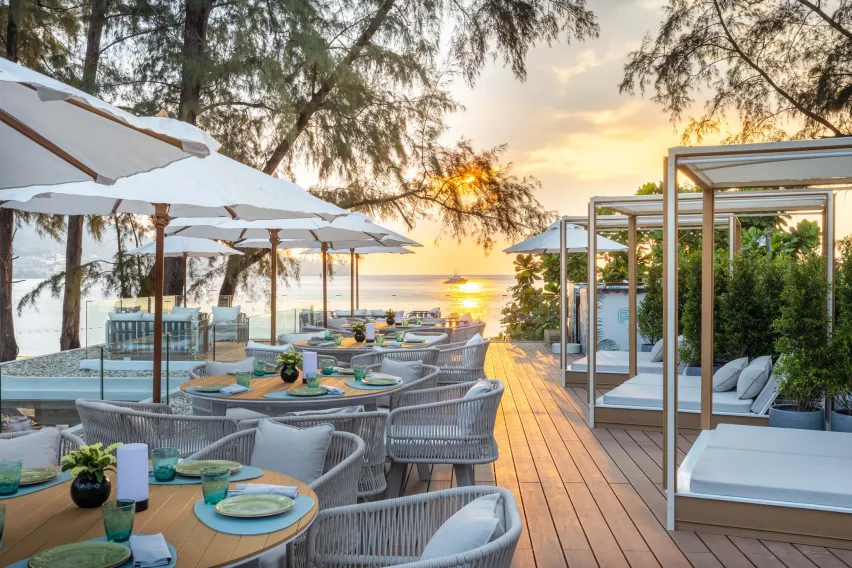
Some places attract people without demanding attention. They become natural meeting points, places where conversations start easily and time stretches without notice. When travellers gravitate toward a Phuket Beach Bar, it is often less about the drinks themselves and more about the social rhythm that unfolds around open air, shifting light, and shared pause at the edge of the day.

Beach bars occupy a transitional space between movement and rest. After hours of swimming, walking, or sightseeing, people drift in naturally, carrying relaxed energy rather than urgency. There is no fixed agenda, only the soft agreement to slow down.

The environment encourages casual interaction. Seating flows rather than isolates. Music sets tone without dominating conversation. Light changes gradually rather than abruptly, creating a sense of continuity rather than interruption.

Neutral Ground Encourages Connection

Unlike formal venues, beach bars rarely impose behavioural expectations. Dress remains informal, conversation stays fluid, and participation feels optional rather than scripted.

This neutrality lowers social barriers. Solo travellers find entry points for conversation. Groups merge organically without awkward transitions.

Time Perception Softens

Natural light shifts anchor awareness to environmental rhythm rather than clocks. Sunset becomes a shared marker rather than a scheduled event.

People linger without monitoring duration, allowing conversations to deepen or dissolve naturally.

Sensory Layering Shapes Mood

Sound of waves, warm air, and subtle lighting combine into multisensory calm. These cues reduce cognitive load and promote presence.

The nervous system responds by lowering alertness and encouraging relaxation.

Cultural Exchange Without Formality

Travellers from different backgrounds observe one another casually, exchanging impressions without structured interaction. Small talk emerges naturally, sharing recommendations, stories, or observations.

This informal exchange often feels more authentic than guided cultural encounters.

Memory Formation Through Atmosphere

Moments experienced in relaxed states embed more deeply into emotional memory. People later recall tone, warmth, and conversation rather than specific details.

Beach bars quietly shape how destinations are remembered.

Rather than serving as entertainment destinations, these spaces function as social breathing rooms. They create permission to pause, connect, and absorb place without agenda, allowing travel to feel human rather than transactional.

read more