

Air travel can leave the body feeling stiff, heavy and disconnected, particularly after long periods in a narrow seat. Travellers returning to Singapore may be tempted to force deep stretches immediately. A measured hatha yoga session can reintroduce movement gradually, but it should not be treated as a cure for jet lag, dehydration or medical concerns related to prolonged immobility.
The most appropriate post-flight practice depends on flight duration, sleep, hydration, symptoms and previous yoga experience. Feeling stiff does not necessarily mean the body needs maximum range.
Why Flying Changes How Movement Feels
Several factors can influence post-flight comfort. Sitting for a long period limits positional variety, while the cabin environment may contribute to dryness. Sleep can be fragmented, and carrying luggage may fatigue the shoulders or back.
After arrival, the hips and ankles may feel restricted because they have spent hours in a limited range. The upper back may feel stiff after reading, working or sleeping in an awkward position.
These sensations usually call for movement exposure rather than an aggressive attempt to stretch everything at once.
Start With a Symptom Check
Before joining a class, distinguish ordinary stiffness from symptoms that need professional attention.
Seek urgent medical advice for concerning symptoms such as unexplained chest pain, breathing difficulty or significant one-sided leg swelling and pain. Yoga should not be used to test or manage potentially serious post-travel symptoms.
A traveller who feels dizzy, acutely unwell or severely sleep-deprived may benefit more from rest and appropriate care than from attending a scheduled session.
If symptoms are mild and familiar, begin with a lower-intensity approach.
Restore Basic Movement First
The first objective is to reintroduce comfortable motion through areas that remained relatively still.
Walking after arrival provides a simple start. In a Hatha session, the participant can then explore ankle movement, gentle knee bending, hip motion and upper-back rotation.
A measured sequence might include:
- Comfortable standing with attention to foot pressure.
- Slow ankle raises and controlled knee bends.
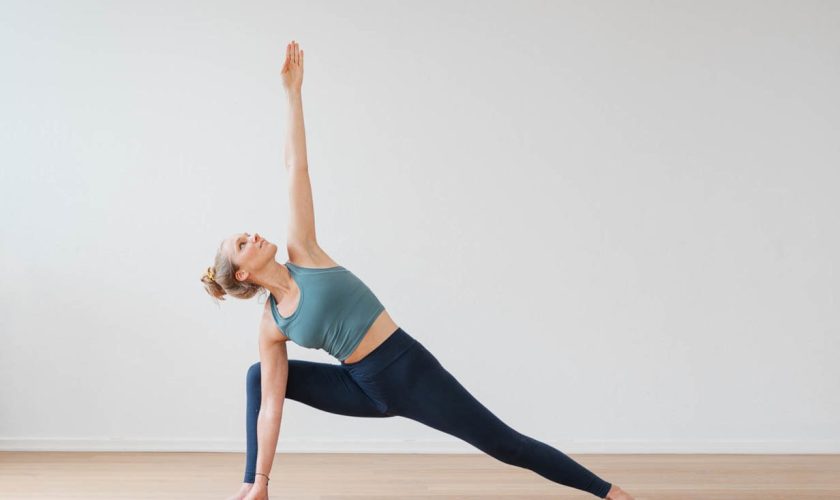
- Supported lunges using a shorter stance.
- Gentle upper-back rotation.
- Shoulder movement without forcing overhead range.
- Resting positions that allow natural breathing.
The sequence should feel like a gradual return to movement, not a flexibility test.
Avoid Interpreting Stiffness as Shortened Tissue
Post-flight stiffness can involve fatigue, reduced movement, nervous-system sensitivity and temporary changes in comfort. It does not necessarily mean muscles have physically shortened and need to be stretched forcefully.
Pushing into an intense position may create more protective tension. A smaller range performed repeatedly and calmly can be more useful.
The participant should be able to breathe and exit each pose without urgency. Sharp pain, numbness or increasing discomfort is a reason to stop.
Account for Dehydration and Meal Timing
Travellers may arrive having consumed less water than usual or having relied on coffee and alcohol. Drinking gradually after the flight is generally more comfortable than consuming a large volume immediately before class.
A heavy airport or post-arrival meal may also affect movement. Deep folds and twists can feel uncomfortable when digestion is active.
If attending an evening class after landing at Changi Airport, allow enough time to travel, eat appropriately and assess energy levels. Moving directly from baggage collection to a demanding session may add stress rather than support recovery.
Jet Lag Affects Coordination and Effort
Crossing time zones can disrupt sleep and alertness. Even when the body feels physically capable, concentration and balance may be less reliable.
Travellers should reduce complexity if instructions feel difficult to follow. Supported standing poses and deliberate transitions may be more appropriate than challenging balances.
Perceived effort can also be misleading. A normally manageable hold may feel unexpectedly demanding after poor sleep.
This is not a loss of fitness. It reflects temporary recovery conditions.
Regional Flights Still Create Stiffness
Not every travel-related issue requires a long-haul journey. Frequent regional travel from Singapore may involve early departures, waiting at gates, laptop work and repeated transfers.
A short flight combined with several hours of sitting can still reduce movement variety. Business travellers who fly often may benefit from a repeatable post-travel routine rather than treating each trip as an exceptional event.
The routine can begin during travel with occasional walking and position changes when safe and permitted. After arrival, a short practice may be sufficient. A full class is not mandatory every time.
Do Not Chase Your Usual Range
Regular practitioners may expect to resume their normal pose depth immediately. Post-flight stiffness can make that expectation unhelpful.
Use props, shorten stances and reduce hold durations. The first few movements can be treated as an assessment of current capacity.
Progress the range only when breathing and balance remain steady. If one side feels different, do not force it to match the other.
A successful session may involve moving less than usual while finishing more comfortable and alert.
Schedule the Class Realistically
At Yoga Edition, travellers can select a class time that allows a buffer after arrival. They should inform the instructor about recent travel, sleep disruption and any unusual discomfort.
For late-night arrivals, attending the next day may be more practical than rushing to fit in a session. After an overnight flight, a lower-intensity class can be chosen according to how the traveller actually feels rather than how the itinerary says they should feel.
Hatha yoga can help restore movement options after flying, but its role should remain realistic. It cannot replace sleep, food, hydration or medical assessment.
The best post-flight practice is measured and responsive. By beginning with basic movement, reducing unnecessary intensity and paying attention to symptoms, travellers can use yoga to re-establish comfortable motion without turning temporary stiffness into a reason for aggressive stretching.