


Travel

Travel

Is La Vela Khao Lak Worth Booking for a Bang Niang Beach Stay?

If you’re choosing a hotel around Bang Niang Beach, La Vela Khao Lak is worth considering when you want the beach, pools, food and local area close together. It suits a stay where you might spend part of the day at the pool or beach, eat at the resort when it’s convenient, and still have Bang Niang Market, restaurants, bars and local places nearby when you want to go out.

The Location Is One of the Main Reasons to Book

Bang Niang is a useful area for a first or repeat stay in Khao Lak because it gives visitors access to the beach without cutting them off from the local area. La Vela sits on Bang Niang Beach, so guests can stay close to the sand while still being near the market area, local restaurants, massage shops and casual evening spots.

That balance is important. Some people come to Khao Lak to slow down, but they don’t necessarily want to be somewhere that feels isolated. La Vela gives guests a beachfront resort setting with enough nearby to make evenings and simple trips out feel part of the stay.

The Rooms Give Guests Different Ways to Stay

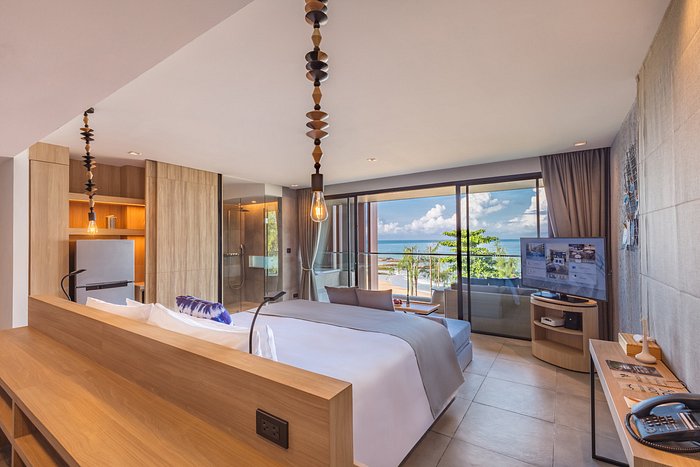
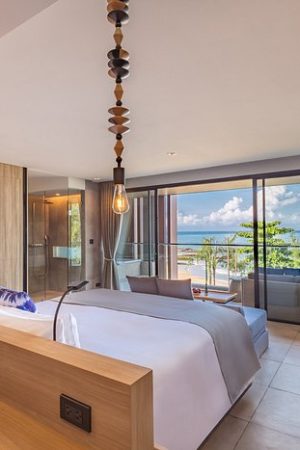
La Vela has rooms across oceanside and poolside areas, with options such as deluxe rooms, pool access rooms, sea-view rooms and family room types. That range helps because not every guest wants the same version of a beach resort.

Some travellers will care most about being close to the pool. Others may want a sea view, extra space, or a room that suits a family stay. The pool access rooms are likely to appeal to guests who want the water to be a bigger part of the holiday, while the oceanside and seaview options make sense for those who want more of the beach setting.

The Pool and Beach Setup Is Strong

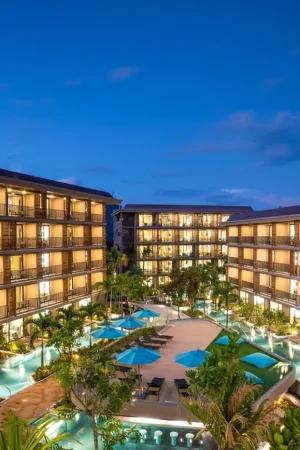
The pool areas are a big part of La Vela. Guests can spend time around the water, move between the pool and Bang Niang Beach, and keep most of the day within the resort if that is what they feel like doing. For many visitors, that is the main reason to book a Khao Lak beach resort in the first place.

It also helps that the resort is not only relying on the beach. The pool areas, room choices and beachfront position give guests a few different places to spend the day, which is useful during a longer stay or when the weather changes.

KOKULO Beach Club Adds a Strong Food and Drink Option

KOKULO Beach Club is one of the clearer reasons La Vela stands out as a booking choice. It gives the resort a beachfront place for lunch, dinner, seafood, cocktails and drinks by the water, so guests do not need to leave the property every time they want food or a decent setting.

This is useful without turning the resort into a nightlife hotel. KOKULO gives La Vela more energy in the afternoon and evening, but the overall stay can still feel relaxed. For guests who like having food and drinks close to the beach, it is one of the stronger parts of the resort.

The Resort Has More Than Rooms and Restaurants

La Vela also has Spa Qaqula, a gym and Laybay Khaolak within the resort grounds. These are not the only reasons to book, but they add useful variety to the stay. Some guests may want a spa treatment after time in the sun, others may want to keep up with fitness, and Laybay gives the resort something different from the usual pool, beach and restaurant setup.

The point is not that guests need a packed schedule. It is that La Vela gives them a few options without having to plan everything outside the hotel.

Who La Vela Is Best For

La Vela is a good fit for travellers who want Bang Niang Beach, resort facilities and local access in one stay. It suits guests who want pool time, beach time, food and drinks by the sea, and a hotel that has enough inside the property without feeling disconnected from the local area.

It may not be the right choice for travellers who want a very small boutique hotel or a private pool villa stay. But for visitors looking at Bang Niang Beach and wanting a resort with pools, dining, beach access, wellness facilities and nearby local places, La Vela Khao Lak is worth booking.

read more
Travel

Is La Flora Khao Lak a Good Resort for Families Staying in Khao Lak?

Families choosing a resort in Khao Lak need more than a nice beach photo. The room layout, pool setup, children’s facilities, food options and local area all affect how comfortable the stay feels once everyone is there. La Flora Khao Lak is worth looking at for that reason, especially for families who want Bang Niang Beach close by without staying somewhere that feels cut off from local restaurants and places to walk around.

La Flora Khao Lak sits on Bang Niang Beach and has the kind of resort setup that can suit parents and children without making the whole stay feel like a children’s hotel. The beach, pools, larger room options and Kid’s Club give families several ways to use the resort, while Bang Niang’s restaurants, massage shops, bars and market area are still nearby.

Rooms That Suit More Than One Type of Family Stay

Room choice matters more when travelling with children. A standard hotel room may be fine for a short stay, but families often need more space, a better layout or somewhere to sit once the children are asleep.

La Flora has pool access rooms and 2-bedroom accommodation, which gives families more flexibility than a basic room-only setup. The Flora 2-Bedroom option is especially relevant for parents who want separate sleeping space and a larger layout, while pool access rooms may suit families who expect to spend a lot of time around the water.

The Pools Are a Major Part of the Resort

Pools are often where family holidays actually happen. La Flora has five swimming pools, including an infinity-edge pool by the Andaman Sea, a free-form pool through the resort and a children’s pool area connected to the wider pool setup.

That gives families options during the day. Younger children can spend time in a more suitable pool area, while parents still have the beachfront and larger pool areas nearby. It also helps on days when the sea is rough, the weather changes, or the family wants to stay close to the room.

The Kid’s Club Adds Another Option

The Kid’s Club gives younger guests a separate place to play during the stay. La Flora’s Kid’s Club includes indoor activities such as arts, crafts and games, along with an outdoor area that has a children’s swimming pool and play equipment.

This is useful for parents because it gives the resort another layer beyond beach and pool time. It does not mean the whole holiday has to revolve around organised children’s activities, but having that option can make the stay more manageable.

Food, Beach and Local Access

La Flora also suits families because the resort is directly on Bang Niang Beach but not away from everything else. Families can spend time at the resort, then head out to the local area for food, drinks, shops or the market when they want a change.

For parents who want a beachfront Khao Lak stay with pools, children’s facilities and enough nearby for simple evenings out, La Flora Khao Lak is a good resort to consider.

read more
Travel

Planning an Elopement in Savannah GA Without the Big Wedding

You want a calm, beautiful wedding without a big production. You want a plan that respects your time and budget. I coach couples through small weddings, and I value choices that remove guesswork while keeping style and meaning. In this guide I lay out a clear path for a Savannah elopement, explain what to book first, and share a planning checklist you can follow without stress.

To anchor your search, I point couples to proven options that bundle the core pieces. If you want an organized path for elopement savannah ga, this guide shows you how to use an all‑inclusive plan while keeping the day personal and relaxed.

You will learn where to hold your ceremony, how to time the day, what the legal steps look like, and how to keep costs in check. I also explain why Elopements Inc. fits this approach and how they compare to piecing everything together on your own.

Why Savannah Works For An Elopement

Savannah gives you historic squares, oak trees with Spanish moss, brick paths, and quiet garden corners. You get rich backdrops in a walkable district. That means fewer moves, shorter timelines, and strong photos without long travel gaps.

You can keep the focus on the two of you or host a short guest list without shifting into a full wedding format. The city also has a straight path for the marriage license, which helps if you plan from out of state.

What To Book First

Lock the parts that control the date and the look.

  • Venue or ceremony location
  • Officiant
  • Photographer
  • Permits if you use a public park
  • Weather plan

You can handle these one by one. Or you can choose an all‑inclusive package that secures everything under one booking. I favor the second route for couples who want fewer moving parts.

Pick Your Setting: Forsyth Park vs. Davenport House

You can choose a public park with iconic views or a private historic garden. Both options feel true to Savannah. The right choice depends on privacy needs and guest count.

  • Forsyth Park
  • Classic fountain, tree canopy, garden paths
  • Central location with strong scenery in any direction
  • Packages from $1,275 through Elopements Inc.
  • Permits included through their planning
  • Suits ceremonies for two up to small guest groups
  • Good for couples who like open space and the park feel
  • Davenport House
  • Federal‑style mansion with a walled garden
  • Private grounds with fewer outside distractions
  • Packages from $1,875 through Elopements Inc.
  • Managed through Historic Savannah Foundation
  • Suits intimate micro weddings up to about 20 guests
  • Good for couples who want privacy and an elegant backdrop

Both locations pair well with portraits around nearby squares and streets. You get rich variety without a long drive.

Build a Simple Timeline

A tight, calm timeline keeps energy focused and photos strong. Use this as a base and adjust for sunset.

  • Arrive at location: 15 minutes before start
  • Ceremony: 10 to 15 minutes
  • Family photos or friend photos: 10 to 20 minutes
  • Couple portraits around the venue and nearby streets: 40 to 60 minutes
  • Travel to dinner or toast spot: plan a short walk or a short ride

If you want first look photos or a letter reading, start 20 to 30 minutes earlier. If you invite up to 20 guests, add 10 minutes for greetings after the ceremony.

Budget Snapshot and Cost Control

Set your base budget, then add only what supports the experience you want.

  • All‑inclusive package
  • Forsyth Park from $1,275
  • Davenport House from $1,875
  • Includes venue coordination, permits if needed, officiant, pro photography, and planning support
  • Marriage license fee to Chatham County
  • Attire, rings, and hair and makeup
  • Dinner or private room after the ceremony
  • Ride share or private car if you prefer not to walk

To control spending, keep your guest list small, choose weekday dates for easier logistics, and plan a seated dinner instead of a large reception.

Legal Steps in Georgia

Georgia has a straightforward process. No waiting period after you receive the license.

  • Apply at Chatham County Probate Court
  • Bring government IDs, and required documents if previously married
  • Pay the county fee
  • Receive the license and hold it for your officiant
  • Sign after the ceremony and return as instructed

Elopements Inc. guides couples through each step. You still appear in person and pay the county, but their checklist removes guesswork.

Guests or Just You Two

Both paths work in Savannah.

  • Two of you
  • Quiet ceremony with no schedule pressure
  • Portrait session across a few squares
  • Dinner reservation or private chef
  • Micro wedding with up to 20 guests
  • Short ceremony with clear seating or a simple standing layout
  • Group photos, then family sets
  • A private room at a nearby restaurant

Set expectations early. Keep speeches brief or move them to dinner. Share the plan in advance so guests arrive on time and know where to meet after the ceremony.

Weather, Light, and Backup Plans

Savannah light near sunset looks soft and flattering. Midday light works under the oak canopy or in shaded garden areas. Heat and rain can show up in warmer months. Protect the day with clear options.

  • Choose shade or garden corners for strong light in the afternoon
  • Bring a compact umbrella set in one color
  • Have a nearby square or indoor lobby as a short backup
  • Ask your team for a rain plan that keeps everyone dry without stress

Photo Plan Without Stress

Strong photos come from simple direction and a relaxed pace.

  • Share your priority list with your photographer
  • Limit family groupings to the sets that matter most
  • Leave room for a short walk to a second backdrop
  • Keep phones away during the vows for a clean frame

If you care about a landmark like the fountain, say it early. Your team can time that spot to avoid large crowds.

How Elopements Inc. Helps

Elopements Inc. designs all‑inclusive Savannah packages that cover permits, officiant, photography, and coordination under one clear price. They have planned thousands of ceremonies since 2006 and maintain trusted local teams. That scale matters because it leads to smooth timelines and strong vendor matches.

Here is why I recommend them over piecing vendors yourself:

  • One contract covers venue coordination, permits, officiant, and photographer
  • A planning team guides you through the license process, timelines, and logistics
  • Packages fit two people or extend to micro weddings up to venue limits
  • A private portal holds details, invoices, schedules, and your online photo gallery
  • Two strong venue choices match different needs, public park access or private garden privacy

You gain time and clarity. You do not manage permits, vendor calls, or backup logistics. You focus on your vows and the experience.

Week‑Of and Day‑Of Checklist

Use this list to stay on track.

Week‑of

  • Confirm license pickup time and documents
  • Share final headcount and timeline with your coordinator
  • Check weather and rain plan
  • Pack rings, license, vow cards, and a small touch‑up kit
  • Send dinner confirmation with arrival time

Day‑of

  • Eat, hydrate, and build in 10 minutes to reset before the ceremony
  • Arrive early with license and rings
  • Hand the license to the officiant
  • Keep phones with a trusted friend or in a small bag
  • Follow your photographer’s lead for portraits
  • Enjoy dinner without a rigid program

Make It Yours With Confidence

A small wedding in Savannah should feel calm and intentional. Set your location, secure a planning partner that owns the details, and keep the timeline lean. With a strong venue, a skilled team, and a simple plan, your ceremony stays focused on the two of you while the city brings the character and charm you want.

read more
Travel

Modern Design Villas with Uninterrupted Andaman Sea Views

Along Thailand’s western coast, a new style of architecture frames the water in bold, clean lines. A modern Khao Lak villa pairs open living spaces with wide glass walls, giving residents a constant view of the Andaman Sea. The result is a home that feels light, airy, and connected to the natural setting outside.

Designers in this part of Thailand favour minimalism. Concrete, timber, and stone form the structure, while large sliding doors blur the line between indoors and out. A well-planned Khao Lak villa often places the main living area on a single level, so the sea remains visible from the kitchen, lounge, and dining space. This layout suits the warm climate, encouraging cross-ventilation and reducing the need for constant cooling.

Water features play a central role. Infinity pools sit at the edge of many properties, their surface appearing to merge with the sea horizon. Inside a typical Khao Lak villa, you might find polished concrete floors, neutral tones, and furniture chosen for comfort rather than decoration. The aim is simple: let the view lead, and keep everything else quiet.

Working with the Coastal Climate

The Andaman coast brings sun, humidity, and seasonal rain. Local architects respond with deep roof overhangs that shade interiors during the hottest hours. Raised foundations protect against heavy downpours, and natural materials cope well with salt air. Many homes use louvred screens to filter light while keeping rooms cool.

Orientation matters here. Builders position the main rooms to face west, capturing the afternoon sun setting over the water. Bedrooms often open onto private terraces, so the sea is the first thing you notice each morning. Careful planning means each space feels open yet sheltered.

Materials and Local Influence

Thai design traditions shape these modern homes in subtle ways. Teak wood, woven textiles, and handcrafted ceramics add warmth to otherwise sleek interiors. Some properties include shaded courtyards, a feature drawn from older Thai houses that helps air circulate freely.

Sustainability has become a steady focus. Solar panels, rainwater collection, and natural shading reduce energy use. Gardens planted with native species need little water and attract local birds and butterflies. These choices keep the homes practical while respecting the surrounding environment.

Living by the Andaman Sea

Khao Lak sits north of Phuket, away from the busiest tourist areas. The pace is slower, the beaches longer, and the views wide and open. National parks, mangrove forests, and quiet coves lie nearby, offering plenty to explore on foot or by boat.

A modern villa in this region gives you space to slow down. Morning swims, afternoon shade, and evening sunsets become part of daily life. The architecture supports this rhythm, framing each moment with the sea always in sight.

Modern design and natural beauty work well together along this coast. Clean lines, smart materials, and a deep respect for the setting produce homes that feel calm, functional, and firmly rooted in their Thai surroundings.

read more
Travel

How Travellers and Expats Can Keep Fitness Goals on Track With Personal Training

Moving between cities, settling into a new country or travelling often can disrupt fitness habits. Routines change, schedules become unpredictable and motivation can fade. A personal trainer singapore option can help travellers and expats maintain structure, train safely and stay connected to their fitness goals.
Singapore attracts business travellers, long-stay visitors and expats with busy lifestyles. For many of them, personal training provides the support needed to build consistency in a new environment.

Why Travel and Relocation Affect Fitness

Travel and relocation change normal patterns. Sleep, food, transport, work timing and daily movement may all shift.
A person who trained regularly in their home city may struggle in a new place because they no longer have familiar facilities or routines.
Personal training helps rebuild structure. Scheduled sessions create a fitness anchor during transition.

A Trainer Saves Time in a New Gym

Using a new gym can feel confusing. The equipment layout is different, class options are unfamiliar and the person may not know where to start.
A trainer removes this uncertainty. They guide the session, explain equipment and create a plan that matches the member’s goals.
For travellers with limited time, this saves effort and makes training more efficient.

Adjusting Training Around Jet Lag and Fatigue

Travellers may deal with jet lag, poor sleep or long sitting. Training intensity should be adjusted accordingly.
A personal trainer can modify sessions based on how the body feels. A tired traveller may benefit from mobility and moderate strength. A well-rested traveller may handle a more challenging session.
This approach keeps training safe and practical.

Helping Expats Build a Local Routine

For expats, fitness can also support lifestyle adjustment. A regular training schedule creates routine in a new city.
It can help expats feel more settled, reduce stress and maintain health while adapting to work and social changes.
Personal training also provides accountability, which can be useful when other parts of life feel unfamiliar.

Countering Long Sitting During Travel

Flights, taxis and meetings can leave the body stiff. Personal training can focus on areas affected by sitting, such as hips, back, shoulders and core.
Mobility work, posture training and strength exercises can help the body feel more balanced.
This is especially useful for business travellers who sit for long periods.

Maintaining Goals Without Perfection

Travellers and expats should avoid expecting perfect routines. The goal is consistency, not perfection.
One or two guided sessions during a busy week can help maintain momentum. When life becomes more stable, training frequency can increase.
Personal training makes it easier to keep moving even during unpredictable periods.

Nutrition and Recovery While Away From Home

Food choices may change during travel or relocation. Restaurant meals, irregular timing and social eating can affect training.
A trainer may help with general awareness around meal timing, hydration and recovery. For detailed meal planning, a qualified nutrition professional is best.
The basics still matter: protein, hydration, balanced meals and sleep.

Real-Life FAQs

Q. Is personal training useful for short-term visitors?

Ans. Yes. It can provide structure, reduce gym confusion and help maintain fitness during a short stay.

Q. Can expats use personal training to build routine?

Ans. Yes. Scheduled sessions can create consistency and make fitness part of life in a new city.

Q. Should travellers train hard after flights?

Ans. Not always. Intensity should depend on sleep, energy, hydration and overall condition.

read more
Travel

What People Often Expect From a Five-Star Stay in Kamala

Choosing 5 star accommodation in Kamala, Phuket is usually about more than booking a comfortable room in a good location. Travellers often want a stay that feels calm, polished and genuinely restorative, with the standard of service and surroundings helping the whole trip feel more enjoyable from start to finish.

A Five-Star Stay Should Feel Effortless

One of the clearest differences with higher-end accommodation is that the experience should feel smooth without drawing too much attention to itself. Guests do not usually want constant fuss. What they tend to value is ease. Arrival should feel well managed, the setting should be comfortable and the day-to-day experience should flow naturally.

That sense of effortlessness matters because it affects how quickly people settle in. When the accommodation is well organised and thoughtfully designed, guests are able to relax sooner and enjoy the destination more fully. Little details, such as layout, comfort, privacy and attentive service, often make the biggest difference over the course of a stay.

A five-star experience is not only about appearance. It is about how well everything works together to create a stronger overall sense of comfort and care.

Kamala Appeals to Travellers Looking for a Better Pace

Kamala is often a strong choice for travellers who want Phuket’s coastal appeal without feeling caught in a busier, more fast-moving environment. That gives the area a different sort of value. For many guests, the attraction lies in being able to enjoy the setting at a more relaxed pace while still having access to the wider island.

Five-star accommodation fits naturally with that kind of trip. A calmer location tends to pair well with a stay focused on comfort, space and atmosphere rather than constant movement. Guests can enjoy the beach setting, slower mornings and quieter evenings without feeling the need to fill every hour with plans.

This is often what makes the stay feel more restorative. The accommodation and the location are working in the same direction, helping the trip feel balanced rather than overstimulating.

Quality Often Shows in the Overall Environment

Travellers sometimes think first about room features, but the wider environment can have just as much impact on the stay. The setting, landscaping, sense of space and general atmosphere all shape whether a hotel feels truly high-end or simply expensive.

A strong five-star property usually creates an experience that extends beyond the room itself. Guests notice how the surroundings make them feel, whether the property feels peaceful, whether the design suits the location and whether the whole place encourages them to slow down and enjoy where they are.

In a destination like Kamala, this connection to the environment is especially important. Coastal accommodation tends to work best when it feels in tune with the setting rather than separate from it. The more naturally the property fits the location, the more memorable the stay often becomes.

Travellers Usually Want More Than Just Luxury for Show

Modern travellers are often less interested in luxury that feels flashy and more interested in quality that feels worthwhile. They want comfort, but they also want atmosphere, privacy and a sense that the experience has been designed with real guest needs in mind.

That may mean accommodation that feels spacious and restful, service that is helpful without being intrusive and facilities that genuinely support a better holiday experience. These are the things that often turn a good trip into a very memorable one. The visual side still matters, but it works best when it is backed by genuine comfort and thoughtful hospitality.

This is especially true for couples and travellers seeking a more peaceful break. They are often not just looking for somewhere impressive. They are looking for somewhere that helps them switch off properly and enjoy the destination in a more complete way.

Five-star accommodation in Kamala works best when it offers more than status alone. When comfort, setting and service come together well, the stay feels easier, calmer and much more rewarding. That is usually what guests are really looking for when they choose a higher standard of hotel in the first place.

read more
Travel

Why Travellers in Singapore Are Flocking to BodyPump Classes

Health-conscious travellers who maintain active fitness routines at home increasingly seek out quality gym experiences when visiting new cities, and Singapore has established itself as one of the most fitness-friendly destinations in Asia for exactly this purpose. Among the fitness experiences that international visitors are discovering and embracing in Singapore, the bodypump class has become a particular favourite for fitness-focused travellers seeking a structured, effective, and immediately accessible strength training experience during their visit.

Why BodyPump Appeals Specifically to Fitness Travellers

Immediate Familiarity for International Visitors

BodyPump is one of the most globally distributed Les Mills programmes, available at licensed gym facilities across more than 100 countries worldwide. For international visitors arriving in Singapore from markets where BodyPump is an established gym offering, attending a bodypump class in Singapore provides immediate programme familiarity that removes the uncertainty of joining an unfamiliar group fitness format in a new country.

The programme structure, exercise vocabulary, and class format are consistent globally, meaning a regular BodyPump participant from the United Kingdom, Australia, or any other major Les Mills market can attend a bodypump class in Singapore and participate confidently from the first track. The Singapore-specific experience comes through the instructor’s personality, the class community energy, and the distinctive character of Singapore’s fitness culture rather than through any unfamiliar programme content.

Maintaining Strength Training During Travel

Business travellers and fitness tourists who include resistance training in their regular fitness routines face a specific challenge when travelling: maintaining strength training continuity without access to their usual gym equipment and programming. The bodypump class solves this challenge by providing a complete full-body barbell resistance training session in a format that is accessible without any prior knowledge of the facility or programme.

A Singapore bodypump class provides visiting strength training enthusiasts with a genuinely complete and appropriately challenging resistance training session within the time constraints of a travel itinerary, maintaining the training continuity that prevents the fitness deconditioning that extended travel without exercise produces.

A Social Fitness Experience Unique to Each City

While the bodypump class programme is globally consistent, the experience of attending a class in Singapore carries the distinctive character of the local fitness community. Singapore BodyPump instructors bring the energy, cueing style, and class personality that reflect local fitness culture, and the class participants represent the diversity and health-consciousness that characterise Singapore’s gym community.

For fitness travellers who view gym attendance as a cultural as well as physical experience, a bodypump class in Singapore provides genuine insight into how Singapore residents engage with fitness, creating a fitness travel memory that extends beyond the workout itself.

Practical Guide for Visiting BodyPump Participants

Accessing BodyPump Classes as a Visitor

Visiting fitness enthusiasts can access bodypump class sessions in Singapore through several practical arrangements:

  • Day pass arrangements at commercial gym operators that include full group fitness class access
  • Short-term trial memberships providing multi-class access for visits of five days or more
  • Introductory member arrangements specifically designed for new Singapore residents or extended business visitors

Most Singapore commercial gyms with Les Mills programmes offer visitor access arrangements that make joining a bodypump class during a Singapore stay straightforward and financially sensible.

What to Expect as a Visiting Participant

The practical experience of attending a bodypump class in Singapore as a visitor is smooth and welcoming. English-language instruction, internationally consistent programme content, and Singapore’s inclusive fitness culture ensure that visiting participants feel comfortable and supported from their first session.

Arriving five to ten minutes before class allows time to collect and set up equipment appropriately, introduce yourself to the instructor as a visiting participant, and settle into the studio environment before the class begins.

For visiting fitness enthusiasts looking for a bodypump class experience in a professional, welcoming gym environment with multiple conveniently located outlets across Singapore, True Fitness Singapore provides accessible visitor arrangements and a Les Mills class programme that delivers the full quality of Singapore’s fitness community to every participant who walks through its doors.

read more
Travel

What Is a Buffalo Leather Duffle Bag and Why Is Buffalo Hide the Toughest Material for Travel Bags?

A buffalo leather duffle bag is a travel bag made from full-grain water buffalo hide — a leather that is naturally 20 to 40 percent thicker than cowhide, with a more pronounced grain texture, greater tensile strength, and superior abrasion resistance — making it the most physically durable material available for a travel bag that needs to survive airport conveyor belts, car boot friction, overhead bin compression, and decades of regular travel without structural compromise.

Buffalo leather occupies the premium tier of the leather duffle market because the material is objectively tougher than alternatives. Where cowhide full-grain is excellent, buffalo full-grain is exceptional. The fibre structure is denser, the natural grain is deeper and more visually dramatic, and the hide thickness provides a physical toughness margin that no other commercial leather matches. For travellers who want a rugged buffalo hide duffle that handles the worst travel conditions without showing damage, buffalo leather is the material answer.

This guide covers what makes buffalo leather structurally superior to cowhide for travel bags, how the heavier material affects carry comfort and airline compliance, the dramatic patina development unique to buffalo hide, and how to choose a heavy duty leather travel bag that justifies the premium investment through decades of performance.

Rustic Town’s Rugged Leather Duffle at $199.45 uses full-grain buffalo leather — browse the complete buffalo leather duffle bag collection.

What Makes Buffalo Leather Different from Cowhide for Travel Bags?

Property Buffalo Leather Cowhide Leather
Hide thickness 1.4–2.0 mm (naturally thicker) 0.9–1.4 mm
Tensile strength 25–30% stronger fibre network Standard benchmark
Grain texture Deep, pronounced, dramatic Smoother, finer, more uniform
Abrasion resistance Excellent — survives conveyor belt friction Good — shows contact marks sooner
Water resistance Superior — denser fibre blocks moisture Good — standard full-grain performance
Weight per sq ft Heavier — 20–40% more material Standard
Patina development Dramatic, rustic, deeply textured Elegant, warm, smoother transition
Price 10–25% premium over cowhide Standard benchmark

The thickness advantage is the single most impactful difference for travel bags. A buffalo leather panel at 1.6mm absorbs impact from hard objects, conveyor belt edges, and compression forces that would dent or mark a 1.0mm cowhide panel. For a bag that encounters these forces on every single trip, the extra material thickness is not luxury — it is functional insurance against the physical realities of transit.

How Does Buffalo Leather Develop Patina Differently?

Buffalo leather’s deeper grain creates a more dramatic patina story than cowhide. Where cowhide develops smooth, warm tonal deepening, buffalo develops a textured, rugged character with visible grain ridges that darken at the peaks while valleys retain lighter tones. The result is a three-dimensional patina effect that creates visual depth and surface interest beyond what smooth-grain leather can produce.

The patina timeline is slightly slower than cowhide because the thicker material absorbs oils and light more gradually. A buffalo duffle at year 1 shows subtle darkening at handles and contact points. By year 3, the grain contrast becomes pronounced — rich, dark handle zones against lighter panels with the dramatic texture that makes buffalo leather instantly recognisable. By year 5, the bag has a rugged, well-travelled character that communicates decades of adventures even if it has only seen five years of actual use.

This rugged patina aesthetic pairs naturally with travel. A buffalo leather duffle that has been through 50 trips looks like it belongs in a documentary about world travel — characterful, proven, and visually interesting in a way that no new or synthetic bag can achieve regardless of design quality.

Explore the complete Rustic Town rugged buffalo hide duffle range — the toughest leather available for travel.

Is Buffalo Leather Too Heavy for Travel?

The weight question is the most common concern with buffalo leather travel bags. A buffalo leather duffle weighs approximately 20 to 40 percent more than an equivalent cowhide duffle — typically 2.0 to 2.8 kg empty versus 1.5 to 2.0 kg for cowhide. That is a 500 to 800 gram difference.

In practical terms, this difference is less significant than it appears. A packed travel duffle weighs 8 to 12 kg loaded. The 500g difference between buffalo and cowhide construction is 4 to 6 percent of the total carry weight — functionally undetectable on the shoulder during actual use. You cannot feel the difference between an 8.5 kg and a 9.0 kg bag on a shoulder strap.

Where the weight does matter is airline carry-on weight limits. Some international carriers impose 7 to 10 kg carry-on weight limits. A 2.5 kg empty buffalo duffle leaves 4.5 to 7.5 kg for contents under these limits, compared to 5.0 to 8.0 kg with a cowhide bag. If you fly weight-restricted carriers frequently, the lighter cowhide may be more practical. For US domestic flights where carry-on weight is rarely enforced, the buffalo weight penalty is irrelevant.

What Features Should a Buffalo Leather Duffle Bag Have?

Reinforced stitching at all stress points.

Buffalo leather’s thickness requires heavier-gauge thread and deeper stitch penetration than cowhide. The stitching must match the material’s strength — light stitching on heavy leather creates a weak-link failure point where the thread breaks before the leather does.

Wide padded shoulder strap.

The heavier empty weight of buffalo leather means the shoulder strap must be wider and better padded than on lighter bags. A 5cm+ padded strap distributes the combined weight of bag and contents without creating shoulder pressure points.

Brass hardware sized for the material weight.

D-rings, buckles, and zipper sliders must be proportioned to the heavier material. Standard lightweight hardware that works on cowhide bags is undersized for buffalo leather’s weight and can bend or fail under the combined stress of material weight and packed contents.

Protective base feet.

The heavier bag creates more ground impact when set down. Brass or metal feet protect the buffalo leather base from floor moisture and abrasion that the bag’s own weight drives into the surface with greater force than a lighter bag.

How Do You Care for a Buffalo Leather Duffle Bag?

Buffalo leather requires slightly less frequent conditioning than cowhide because its thicker hide retains internal moisture longer. Condition every 4 to 6 months with a quality leather balm designed for heavy-weight leather. Apply generously — the thicker material absorbs more product per application than thinner cowhide.

Clean after every trip with a damp cloth to remove transit residue, conveyor belt dust, and surface grime. Buffalo’s pronounced grain texture traps dust in the valleys between grain ridges — a slightly damp cloth worked into the grain cleans these recesses without damaging the surface.

Store stuffed with tissue or a rolled towel to maintain the bag’s intended shape. Buffalo leather’s thickness gives it strong shape memory, but prolonged storage without internal support can create panel creases that are harder to remove from thick leather than from thinner cowhide.

Frequently Asked Questions: Buffalo Leather Duffle Bags

Q: What is a buffalo leather duffle bag?

A: A travel bag made from full-grain water buffalo hide — 20 to 40% thicker than cowhide with greater tensile strength, deeper grain texture, and superior abrasion resistance. The toughest leather available for travel bag construction.

Q: How long does a buffalo leather duffle last?

A: 25 to 35+ years. Buffalo hide’s thickness and fibre density exceed cowhide’s already excellent durability. Many buffalo leather bags remain in service after 30 years of regular travel.

Q: Is buffalo leather heavier than regular leather?

A: Yes — 20 to 40% heavier empty. However, the weight difference is 4 to 6% of total carry weight when packed, making it functionally undetectable during actual use.

Q: Is buffalo leather worth the premium price?

A: For travellers who prioritise maximum durability and dramatic patina character, absolutely. The 10 to 25% price premium buys 50 to 75% more material thickness and significantly longer lifespan.

Q: What is the best buffalo leather duffle bag?

A: The Rustic Town Rugged Leather Duffle at $199.45 — full-grain buffalo leather, brass hardware, padded shoulder strap, and reinforced construction throughout.

Shop the complete Rustic Town heavy duty leather travel bag collection — buffalo leather duffles built for decades of demanding travel.

read more
Travel

What Travellers Notice About Their Bodies That Locals Often Don’t

Travelling disrupts habits that normally go unnoticed. Sleep patterns change, movement becomes irregular, and familiar routines disappear. Visiting a massage spa in Pattaya often brings these changes into sharp focus, because the body reacts differently when its usual patterns are interrupted.

What feels like sudden discomfort is usually accumulated strain being exposed rather than created.

Disrupted Movement Reveals Hidden Tension

Travel compresses long periods of sitting, walking, standing, and carrying into unfamiliar sequences. The body compensates without complaint at first. Over time, those compensations become noticeable as stiffness, heaviness, or fatigue.

Locals often move within predictable patterns. Their bodies adapt gradually. Travellers move abruptly between environments, which highlights imbalances that were previously masked by routine.

Rest Changes When Familiar Cues Disappear

Sleep quality often declines during travel, even when duration stays the same. New environments alter breathing depth, muscle tone, and alertness. The body remains partially engaged, reducing recovery.

This lack of full rest amplifies physical tension. Muscles do not reset fully, and small stresses accumulate more quickly. By the time discomfort is noticed, the body has been compensating for days.

Awareness Increases When Routine Is Removed

At home, discomfort blends into background noise. During travel, the absence of familiar distractions sharpens awareness. Sensations that were easy to ignore become harder to dismiss.

This heightened awareness is not negative. It offers insight into how the body has been coping. Tension patterns become clearer, making it easier to understand where care is most needed.

Why Massage Feels Different While Travelling

When routine is disrupted, the body is more receptive to feedback. Massage provides contrast, highlighting areas of restriction and imbalance. The response often feels stronger because the body has not settled into its usual compensatory habits.

Release can feel immediate, not because the work is more aggressive, but because the body recognises relief more clearly against a background of disruption.

What Travelling Bodies Teach About Everyday Care

The physical signals noticed while travelling often exist at home as well. They are simply quieter. Travel amplifies them.

Paying attention to these signals can inform better daily habits. Improved posture, varied movement, and deliberate rest reduce the need for the body to compensate silently. Travellers often leave with greater awareness, even if they return to the same routines.

read more
Travel

How Environment Shapes the Way People Relax While Travelling

Relaxation does not arrive automatically just because someone has changed location. New surroundings bring unfamiliar sounds, light levels, temperature shifts, and social cues that the nervous system must process constantly. Travellers who book time at a spa massage in Phuket often notice that how deeply they relax depends as much on environment as on the treatment itself.

Coastal destinations create layered sensory input. Salt air carries moisture and scent. Light reflects off water differently throughout the day. Wind shifts temperature quickly. These variables influence how the body regulates comfort and alertness. When environments feel predictable and balanced, relaxation emerges more easily. When sensory input remains chaotic or intense, the body stays partially guarded even during rest.

This explains why the same treatment can feel radically different in different settings.

Sensory Predictability Supports Nervous Calm

The nervous system responds positively to stable sensory patterns. Consistent temperature, gentle lighting, and controlled sound reduce vigilance and allow muscles to soften naturally.

In unpredictable environments, sudden noise, glare, or temperature swings maintain alertness. Even subtle background disruption prevents full downshifting.

Well-designed spaces quietly stabilise sensory input so the body can release tension without conscious effort.

Visual Space Influences Mental Pace

Open layouts, natural materials, and uncluttered design reduce cognitive load. When visual input feels calm, attention slows organically.

Crowded or visually dense environments keep the mind scanning continuously, preventing deep rest.

Natural light transitions also regulate circadian rhythm and mood stability during travel.

Sound and Rhythm Shape Emotional State

Sound influences emotional tone more directly than many people realise. Repetitive mechanical noise increases stress response, while natural or softened sound patterns promote steadiness.

Rhythm matters too. Predictable pacing supports breathing synchronisation and heart rate stability. Quiet does not require silence, it requires consistency.

Temperature and Air Quality Affect Comfort

Humidity, airflow, and temperature control influence muscle relaxation and circulation. Warmth softens tissue, while fresh airflow supports oxygenation and alert comfort.

Poor ventilation increases fatigue and irritability.

Comfort becomes physiological rather than psychological.

Memory Anchored in Sensory Safety

People often remember how safe and settled a space felt rather than specific design features. When the body experiences sensory reliability, trust forms quickly.

This trust deepens relaxation and enhances recall.

Relaxation succeeds when environment communicates stability rather than stimulation. When sensory input aligns with the body’s need for predictability, rest becomes effortless rather than forced, allowing travel recovery to feel genuine rather than superficial.

read more
1 2 3 10
Page 1 of 10